
O'Connor Bird Netting
Call Now!
O'Connor bird netting offers durable and effective solutions to protect your garden, orchard, and wildlife from birds. Choose from a range of quality bird control netting designed for Australian conditions and various applications.
Understanding Bird Netting Materials
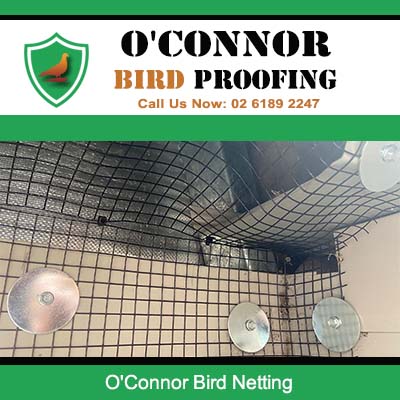
Bird netting is an important tool used for bird prevention and control in gardens, farms, and outdoor areas. O'Connor Bird Proofing offers a range of high-quality netting solutions designed to protect wildlife and keep birds away from sensitive spaces. The material used in bird nets affects how well they work and how long they last.
Common materials for bird control netting include polyethylene, polyester, nylon, and HDPE (High-Density Polyethylene). These materials are chosen for their strength, weather resistance, and durability. For example, polyethylene netting is lightweight but strong, while nylon is flexible and resistant to wear. Some netting uses recycled plastics, which help the environment while still providing quality.
Other materials like Dyneema and copper are used in special netting to make them stronger and better at keeping birds away. The mesh size and net construction help stop birds from getting through while allowing air and light to pass. Whether you need O'Connor garden netting or wildlife netting, picking the right material ensures effective bird protection for your needs.
What Material Options Are There for Bird Netting?
Bird nets come in several material types, each with its features:
- Polyethylene: Lightweight, strong, UV resistant, and often made with recycled plastic. Works well in many climates.
- Nylon: Flexible and tough but less resistant to UV rays compared to polyethylene.
- Polyester: Strong and weather-resistant.
- HDPE (High-Density Polyethylene): Very strong and resists damage from weather.
- Recycled Plastics: Good for the environment and just as durable as new plastics.
- Polypropylene: Used in twine and rope parts of nets.
- Copper and Stainless Steel: Found in some specialty bird protection nets for extra strength.
- Twine and Rope: Sometimes added to plastic nets to increase strength.
Each material is picked based on how the net will be used, the weather it must resist, and how long it needs to last. O'Connor bird netting products use these materials to offer reliable bird control across Australian conditions.
How Durable is Polyethylene Netting for Bird Deterrents?
Polyethylene is one of the most popular materials for bird netting because it lasts a long time and handles outdoor conditions well. Its main benefits are:
- UV Resistance: Often treated to resist sunlight damage, keeping the net strong over time.
- Saltwater Resistance: Good for places near the coast where salt can cause harm.
- Weather Resistance: Stands up to rain, wind, and changing temperatures without breaking down.
- Long Lifespan: Can last many years if installed properly, making it cost-effective.
- Environmentally Friendly: Many polyethylene nets use recycled materials, lowering plastic waste.
O'Connor netting solutions use high-quality polyethylene that works well for bird control in different Australian environments.
Can UV Resistance in Netting Impact Its Longevity?
UV resistance is very important for making bird netting last longer. Sunlight can make plastic nets fade, weaken, and break over time. Adding UV stabilisers to materials like polyethylene helps to:
- Protect from Sun Damage: Keeps the net’s structure strong.
- Reduce Fading: Helps the net look good and work well longer.
- Increase Durability: Allows the net to handle strong sun and outdoor weather.
- Extend Life: Means you won’t need to replace the net as often.
Choosing UV resistant bird netting, like those from O'Connor Bird Proofing, means you get reliable bird protection that lasts and supports caring for your garden and wildlife.
Evaluating Mesh Size and Aperture Dimensions
Mesh size (also called aperture) is the size of the holes in bird netting. This size changes how well the net stops birds, and how much air and light come through. O'Connor netting solutions have different mesh sizes to fit various bird control needs.
Mesh sizes can be very small, starting at about 5mm, up to larger sizes around 75mm. Mesh shapes, such as diamond or knot designs, also affect how the net works. Picking the right mesh size helps block birds while letting air and sunlight reach your plants or protected space.
Which Mesh Size is Ideal for Different Bird Species?
Different birds need different mesh sizes to keep them out:
- Small Birds (like sparrows and finches): Use mesh with holes smaller than 15mm.
- Medium Birds (like pigeons and starlings): Mesh size between 15mm and 40mm works well.
- Large Birds (like crows and seagulls): Larger holes up to 50mm or 75mm are enough.
O'Connor bird nets consider these needs to provide strong protection. Using the right mesh size makes the net more effective for common Australian bird species.
Does a Smaller Aperture Offer Better Protection?
Yes, smaller holes usually give better protection by stopping even small birds from getting in. The advantages are:
- Strong Barrier: Blocks small birds effectively.
- Better Security: Protects fruit trees, crops, and buildings.
- Less Damage: Cuts down on repairs caused by birds.
But very small apertures can reduce airflow and light, which might affect plants. Choosing the right mesh size from O'Connor bird netting keeps a good balance between bird protection and a healthy environment.
How Does Mesh Size Affect Airflow and Light Penetration?
The size of the mesh holes changes how much air and light pass through the net, which affects plant health and the surrounding area:
- Larger Mesh Sizes: Let in more air and sunlight, helping gardens and orchards grow.
- Smaller Mesh Sizes: Give better protection but may limit airflow and light, which can slow plant growth if not managed well.
O'Connor netting solutions take this into account, offering breathable and effective bird netting that protects plants while allowing enough light and air. This helps gardens and wildlife spaces stay healthy and safe from birds.
If you want help choosing the best bird netting material or mesh size for your needs, please comment below or contact our experts for advice on O'Connor bird netting solutions made for Australian conditions.
Exploring Bird Netting Applications
Where Can Netting Be Effectively Deployed for Bird Deterrence?
Bird netting is a flexible way to stop birds from causing damage and keep the environment safe. O'Connor bird netting offers strong bird control netting that works well in many places. Some common uses are:
- Gardens and orchards: To keep birds away from fruit trees and plants.
- Vineyards: To protect grapes and vineyard crops.
- Aquaculture and fishing: To block birds from disturbing fish stock or fishing gear.
- Marine and commercial fishing industries: Using strong bird nets made from materials like polypropylene and polyester that resist saltwater.
- Horticulture and farming: To guard crops, livestock, and outdoor areas from pest birds.
- Aviaries and wildlife enclosures: To provide safe spaces for birds and animals.
- Outdoor recreational spaces: To stop birds from causing problems while protecting the environment.
These protective barrier nets offer a safe and effective way to control pests in agriculture, wildlife management, and pest control. They also help keep environments safe by preventing bird access where needed.
Is Bird Netting Suitable for Protecting Fruit Trees and Gardens?
Yes, garden netting is a great way to protect fruit trees and gardens from bird damage. O'Connor garden netting uses durable, UV-resistant polyethylene mesh that lasts outdoors all year. Important features include:
- Mesh size and aperture: designed to block birds but still let sunlight and air through.
- Ecofriendly materials: that are safe for plants and animals.
- Strong enough to handle weather without wearing out.
- Helps control common pests like fruit fly by acting as a physical barrier.
- Good for DIY pest control or commercial horticulture use.
- Made locally in Australia, meeting biosecurity rules for farming.
Using bird control netting keeps crops healthy and reduces losses without using harmful chemicals.
How Is Bird Netting Used in Commercial Fishing and Aquaculture?
Bird netting is very important in commercial fishing and aquaculture. O'Connor bird nets are made with materials like Dyneema, polypropylene, polyester, and recycled plastics to meet tough industry needs. Key points include:
- Strong build: that can handle saltwater and harsh marine weather.
- Waterproof and weatherproof coatings to last longer.
- Nets come with skirts and mooring systems using strong silver ropes.
- Support for the environment through nets made from recycled plastics.
- Keeps birds and rodents away from prawn farms and bait.
- Helps prevent bird contact with farmed fish, improving safety.
These nets reduce losses, protect stock, and help fishers work better.
Installation Techniques for Bird Proofing
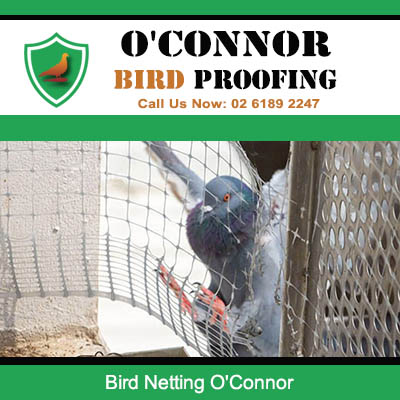
What Are the Best Practices for Installing Netting on Structures?
Good installation is very important to make bird netting work well. Whether doing it yourself or hiring a pro, follow these tips for a tight and strong fit:
- Use quality tools and accessories like clips, ropes, screws, battens, and anchors.
- Keep the net pulled tight to avoid gaps and sagging.
- Attach the net securely to frameworks made of metal, wood, or poles.
- Use weatherproof materials such as polyethylene HDPE with UV protection for long life.
- Cover all edges and corners to stop birds from getting in.
- Always follow safety steps, including wearing gloves and using ladders safely.
- Get advice and hardware from local suppliers.
Bird netting near O’Connor comes with customer support to help you install nets on many types of structures.
Can Netting Be Installed Over Solar Panels?
Yes, bird netting can be installed over solar panels. This protects panels from bird damage and droppings. Important things to keep in mind are:
- Use UV-resistant and heat-resistant mesh made from polyester or polypropylene.
- Pick a mesh size and aperture that lets sunlight through but blocks birds.
- Make sure the net is light and does not harm panel performance.
- Choose nets that stand up to weather and different climates.
- Use pet-safe and ecofriendly nets that do not affect solar energy.
When put on correctly, bird nets keep solar panels clean and working well while helping renewable energy.
What Tools and Accessories Are Needed for Effective Netting Installation?
To install bird netting well, you need a range of tools and accessories. Common items include:
- Clips, ropes, knots, battens, and zip ties to fix nets in place.
- Screws, anchors, tensioners, and frames made for your structure.
- Measuring tape, ladders, gloves, scissors, and full installation kits.
- Strong materials like polyethylene, nylon, and stainless steel parts.
- Safety gear to protect those installing the netting.
- Products from trusted local suppliers.
Having the right tools makes installation easier and helps the nets last longer. O’Connor bird nets come with recommended gear for both DIY and professional installers.
Impact of Bird Netting on Wildlife
Does Properly Installed Bird Netting Pose a Threat to Wildlife?
Properly installed bird netting is safe for wildlife when chosen and set up correctly. Important factors include the mesh size or aperture, the type of material, and how the netting is fixed in place. Nets made from polyester, nylon, or polyethylene with the right mesh size stop birds and small animals from getting stuck or hurt. Using wildlife netting that avoids problems like fraying or loose knots helps keep animals safe.
At Bird Proofing O'Connor, we suggest bird nets made to be safe and strong. These nets protect native species without causing harm. Ecofriendly and pet-safe options help control birds while caring for the environment. However, poorly installed or affordable nets can catch wildlife or let predators through, which can harm local ecosystems.
How Does Netting Affect Local Bird Populations?
Bird control netting can help local bird populations by keeping invasive pests like pigeons away. Pigeons compete with native birds for food and space. Choosing the right mesh size and aperture allows bird nets to keep out pests while letting native birds live safely.
Netting also helps reduce the spread of bird flu by controlling pest birds. O’Connor bird nets are designed to prevent birds without disturbing natural habitats or predator-prey balance. This helps keep the environment healthy and protects different types of birds.
What Are Some Ecofriendly Alternatives?
Ecofriendly bird netting options use materials like recycled plastics, biodegradable stuff, or organic fibres. These choices lower harm to the environment during making and disposal. Chemical-free options like natural deterrents and garden netting work well with nets to control birds naturally.
Brands such as Pestrol offer ecofriendly ways to prevent birds that support local habitats. Using nets made from recycled plastic or biodegradable materials helps protect wildlife and reduce pollution. O’Connor Bird Proofing supports these green choices to keep bird control responsible and kind to nature.
Maintaining and Repairing Bird Netting
What Are Effective Methods for Cleaning Netting?
Cleaning bird netting regularly keeps it working well and lasting longer. Nets made of polyethylene, nylon, or polyester can be cleaned with soft tools, mild soap, and water. Avoid harsh chemicals that might damage the net fibres or leave harmful residue.
To clean bird netting:
- Gently brush off dirt and debris.
- Use a soft brush with soapy water to remove organic residue.
- Rinse well with clean water to get rid of soap.
- Let the netting dry fully before putting it back up.
Following these steps protects O’Connor bird netting and helps keep pests away.
How Can Damage Be Repaired to Extend Netting Life?
Fixing bird netting quickly stops further damage and saves money on replacement. Common repairs include tying knots, splicing twine, or patching holes and worn spots. Materials like polyethylene and nylon are strong but can wear out from weather or animal contact.
You will need twine, scissors, and mesh patches for repairs. If damage is big, you may need to splice or swap out whole sections. O’Connor Bird Proofing offers netting products and advice for tough, affordable repairs, using ideas from commercial fishing and aquaculture.
What are the Signs That Indicate Netting Should Be Replaced?
You should replace bird netting when it no longer protects well. Look for:
- Frayed edges or strands that weaken the mesh
- Holes that let birds or pests through
- UV damage shown by brittle or faded netting
- Weather damage, especially in coastal areas with salt water
- Mesh breaking down and changing aperture size
Polyester and polyethylene last different times depending on use. For places like solar panels or gardens, check nets often to replace them on time. O’Connor Bird Proofing advises regular checks to keep bird control strong and protect local wildlife.
Have you had issues with bird netting affecting wildlife or your property? Share your questions or tips below to help others make better choices about bird prevention and protection.
Cost Considerations for Bird Netting Solutions
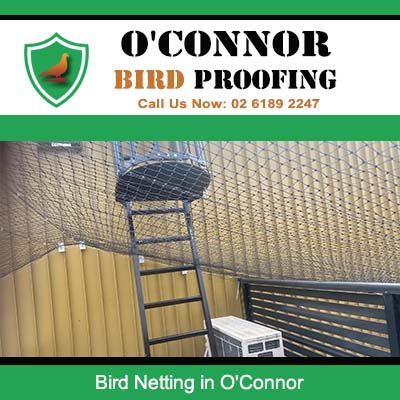
When choosing bird netting solutions in Australia, knowing the cost is very important. Prices can change depending on the quality, durability, and how the netting is installed. O'Connor bird netting offers many choices that balance cost with effective bird prevention. The total cost includes the nets, installation, tools, and upkeep.
Bird nets usually last longer and cost less over time compared to other bird control methods. For commercial or heavy-duty projects, buying good-quality materials gives long-term protection and lowers repair costs. Installing the netting yourself (DIY) can save money, but sometimes you need a professional for complicated jobs. Comparing prices from local suppliers and bigger national chains also affects the final cost.
How Does the Cost of Bird Netting Compare to Other Bird Deterrents?
Bird netting often gives better value than other bird deterrents such as bird spikes, chemical sprays, or electric systems. While some bird control options may cost less at first, they need more maintenance and replacement over time.
- Bird spikes and chemical sprays usually work only for a short time.
- Electric bird control systems cost more upfront and use electricity.
- Bird netting works well for long-term bird prevention and is popular for both homes and businesses in Australia.
When thinking about price, consider how long the product lasts, the care it needs, and how well it works. Bird netting physically stops birds, making it a reliable and cost-saving choice in the long run.
What Factors Influence the Overall Cost of a Netting Project?
Many things affect the total price of a bird netting project:
- Size of the area: Bigger areas need more netting, which raises the price.
- Mesh size and material: Materials like polyethylene or HDPE that resist UV rays cost more but last longer.
- Installation: Labour costs change depending on the location, including Sydney and Western Australia.
- Tools and accessories: Extras like clips or poles add to the price.
- Supplier and delivery: Choosing a local or national supplier affects price and delivery fees.
- Customisation: Special sizes or colours can make the cost higher.
Choosing strong, UV-resistant nets helps them last longer and cuts future replacement costs. Measuring carefully helps avoid buying too much material or paying more for installation.
Are There Ways to Reduce the Expense of Installing Bird Protection?
You can lower costs without losing quality by using these tips:
- DIY Installation: Putting up the netting yourself saves labour costs.
- Bulk Purchase: Buying large amounts often gives discounts from wholesalers.
- Local Suppliers: Buying nearby cuts down on delivery fees.
- Durable Materials: Strong netting reduces repairs and replacements.
- Proper Maintenance: Checking and fixing nets regularly makes them last longer.
- Reuse and Repair: Using material from past projects saves money.
Garden netting and bird proofing with O’Connor netting solutions offer affordable and tough ways to protect your home from pest birds.
Identifying Reliable Netting Suppliers
Finding a trustworthy supplier is key when buying bird netting in Australia. A good supplier sells quality products, offers many types of bird netting solutions, and gives reliable customer service. Whether you are in Western Australia, Perth, Sydney, or elsewhere, local suppliers can deliver faster and give better support.
Good suppliers carry strong bird nets for different uses like commercial fishing, aquaculture, and garden protection. They provide warranties and keep enough stock to meet urgent orders.
What Should You Look for When Selecting a Bird Netting Supplier in Australia?
Important things to check when choosing a bird netting supplier:
- Reliability: Good reputation and positive customer reviews.
- Quality: Durable materials like UV-resistant polyethylene or HDPE.
- Range and Custom Sizes: Different mesh sizes and custom options.
- Competitive Price: Fair prices that match good quality.
- Warranty and Support: Clear warranty and help with installation.
- Stock Availability and Delivery: Ready supply and fast shipping across Australia.
O'Connor Bird Proofing is known for a wide range of products and strong customer focus in bird netting solutions.
How Important Is Customer Service and Support from Suppliers?
Customer service is important for a smooth buying and installing experience. Good suppliers provide:
- Quick and clear communication.
- Advice on installation and technical support.
- After-sales service, including warranties, returns, and refunds.
- Training or detailed instructions for DIY jobs.
Having helpful staff solves problems quickly and gives customers the knowledge they need. This is especially helpful for commercial projects needing heavy-duty bird nets.
Do Local Suppliers Offer Advantages Over National Chains?
Local suppliers have several benefits compared to national chains:
- Faster Delivery: Quicker shipping in places like Perth and Sydney.
- Personalised Service: Advice based on local birds and conditions.
- Inventory Access: Stock available immediately for urgent needs.
- Regional Knowledge: Understanding bird control challenges in Australia.
- Cost Savings: Lower delivery fees and flexible prices.
- Support Small Business: Helping the local economy grow.
Using O’Connor netting and working with trusted local suppliers in Western Australia or other parts of Australia offers good prices and expert advice.
Do you have questions about choosing the best bird netting solution for your project? Share your experiences or ask for advice in the comments below. Your feedback helps others make smart choices about bird control.
Bird Netting in Specific Environments
How Does Salt Water Exposure Affect Netting Material?
Salt water affects bird netting used in marine and coastal areas. Materials like polyester, polypropylene, and recycled plastic are common because they resist salt and last longer. But constant salt water can cause damage and corrosion if the netting is not made for these conditions.
Netting near salt water must also handle strong UV rays from the sun, especially in Australia’s coastal regions. UV rays can weaken netting over time, making it brittle and less durable. Netting with UV stabilisers lasts longer and handles sun exposure better.
For best results, choose corrosion-resistant netting made for marine use. Regular maintenance helps stop damage from salt and weather. O'Connor Bird Netting offers products made with tough, salt-resistant materials and UV protection to keep netting strong in harsh coastal and marine environments.
What Are the Specific Considerations for Coastal Areas?
Coastal areas bring special challenges for bird netting. Salt water, strong winds, and bright sun mean you need netting that resists UV rays and corrosion. Wind from storms or cyclones means the netting must be strong and fixed properly.
When putting up bird netting in coastal places like Western Australia, remember to:
- Use tough materials like polyethylene or treated polypropylene made for coastal weather.
- Pick netting with good UV resistance to avoid sun damage.
- Choose heavy-duty netting and strong fixings to handle wind and cyclone risks.
- Make sure the netting protects wildlife while keeping birds out.
- Check and maintain the net regularly to fix any wear from salt and wind.
O'Connor Netting Solutions offers products designed for these needs. Their netting is safe for wildlife and built to last in tough coastal weather.
What Type of Bird Deterrent is Best for Areas with Cyclones?
In cyclone-prone areas, bird netting must be extra strong and able to resist high winds. Heavy-duty netting made from polyethylene, nylon, or Dyneema fibres can handle strong winds and flying debris.
Look for netting that has:
- High strength to prevent tearing or sagging.
- Secure fittings that meet Australian standards for safety during cyclones.
- Resistance to salt water and UV damage.
- Professional installation to ensure the net is tight and firmly fixed.
O'Connor Bird Netting supplies cyclone-proof bird deterrents. These are suitable for commercial fishing, aquaculture, and other uses. They provide strong and safe protection even in bad weather.
Addressing Common Concerns About Netting
How Can You Ensure Netting Is Safe for Pets?
To keep your pets safe around bird netting, pay attention to mesh size, material, and design. Safe netting usually has:
- Small apertures to stop paws or heads from getting stuck.
- Soft, knotless materials that lower the chance of injury.
- Strong yet flexible netting so animals won’t get hurt.
- Regular checks and repairs to keep the net safe.
O'Connor Bird Nets focus on designs that protect pets like cats and local wildlife. Using the right mesh size and soft materials helps keep everyone safe near the netted area.
What Are Some Common Mistakes People Make With Bird Proofing?
People often make mistakes that reduce bird netting’s effectiveness or cause problems. These include:
- Picking the wrong mesh size, letting birds or pests through.
- Fixing the net poorly, causing sagging or gaps.
- Choosing materials unsuitable for UV or salt exposure.
- Not fixing wear and tear, which shortens the net’s life.
- Skipping maintenance or delaying repairs.
- Trying DIY installation without proper tools or skills, risking poor safety.
O'Connor solutions suggest talking to local suppliers or experts to avoid these mistakes. Good installation and upkeep help your netting last longer and protect your property and wildlife well.
Can DIY Netting Be as Effective as Professional Installation?
DIY bird netting may save money but often does not match the quality or safety of professional installation. Important things to think about are:
- Having the right tools and accessories for secure fixing.
- Knowing which materials fit your environment and safety needs.
- Spending time to get the net tight and placed correctly.
- Getting warranty and support that usually come with professional jobs.
O'Connor Bird Proofing offers professional installation that meets Australian standards for commercial fishing, aquaculture, and garden netting. Choosing experts ensures your net is safe, effective, and long-lasting, often saving money over time compared to DIY.
Have you had issues with bird netting near coasts or in cyclone zones? Share your questions or stories below, experts at O'Connor Bird Proofing are ready to help!
What sizes and materials of bird netting are commonly used?
Bird netting comes in different mesh sizes like 15cm and 19mm. It is usually made from strong nylon or polyethylene. These nets are good for hobby farms, agriculture, industrial, and rural areas. The netting stretches well and lasts a long time without wearing out.
Can I get bird netting and pest control products with fast shipping?
Yes, we offer fast freight across Australia so you can get your order quickly. We also help wholesalers and factory outlets with large orders. Shipping costs and time are clear when you check out.
Is bird netting good for bad weather like hail or cyclones?
Yes, our bird netting is built to handle bad weather such as hail and cyclone seasons. It stays strong and does not get damaged easily. This makes it good for homes and industrial sites.
Can I order custom sizes or extra accessories for bird netting?
Yes, you can order custom sizes and extra parts to fit your needs. Whether you want netting for ponds, pots, mining areas, or oil and gas sites, we can make what you need.
How does bird netting stop damage from pests over time?
Bird netting acts as a fence that stops birds from reaching crops or gardens. This lowers damage like eating seeds or plants and nesting. It is legal and safe for the environment and needs little care.
Are there free resources to learn about bird netting and pest control?
Yes, we offer free blogs, newsletters, and emails. These include tips for installing netting, product reviews, and news about the pest control industry.
Where can I buy real bird netting products with good customer support?
You can buy from our online store, which has a safe cart and easy checkout. Our team helps both beginners and experts with advice and support.
Which industries use bird netting and pest control products?
Bird netting is used in farming, rural areas, mining, oil and gas, and factories. It also works well for hobby farms and places in Canberra and Belconnen. The netting and gels protect many types of sites.
O'Connor Bird Netting Insights
- We offer many bird netting solutions for bird control and bird prevention in gardens, wildlife areas, and industries like mining and factories.
- Our nets come in sizes from 15cm to 75mm mesh. They protect against birds, bats, rodents, and other pests on hobby farms, commercial fishing, and biosecurity sites.
- The netting uses strong materials like stainless steel ropes and gel coatings to stop fraying and damage from hail and bad weather in cyclone-prone areas of ACT and NSW.
- Easy DIY netting kits are available along with professional options. These fit different structures such as horticulture setups and animal enclosures, giving good protection while keeping the environment safe.
- We provide heavy-duty bird control netting made for tough industrial jobs like oil and gas plants, concrete sites, and shipping yards. They handle cyclones and keep wildlife out.
- Special nets are made for prawn and marron farms. These include bait protection and keep pests away, helping prawn farming and fishing operations with long-lasting materials.
- Our product range includes safety nets and shade cloth to protect against debris and support environmental care while keeping animals and buildings safe.
- Our expert team offers technical support and simple installation tips that help set up netting well. This keeps silver birds, flies, and rodents away more effectively.
- As a trusted wholesaler, we have a wide menu of products. Customers can pick nets for small use, big industries, or special needs like Christmas netting or sports facility protection.
- Our nets also work well for mooring, cargo netting, and traps. They use strong, light ply material for easy use and long life even with heavy wear.
- We focus on protecting the environment by stopping birds from entering sensitive places. Our nets support wildlife care and follow strict biosecurity and safety rules.
- Our anti-bird nets include rope systems that fit homes, gardens, and businesses. They block animals like cats and bats from getting in.
- We supply original branded netting products known for quality. Customers get good service, product reviews, and free newsletters with helpful advice and new info.
- Our solutions cover industry uses like hardware making and fishing gear. They meet needs for strong, weather-proof nets that work well in tough conditions. Latitude: -35.259136148298, Longitude: 149.11543219575017